

Recovery is an important part of any training routine. After challenging workouts, the body needs time and support to recover before the next session. Using simple recovery tools can help you manage muscle tightness, improve mobility, and make recovery more comfortable.
Foam Roller
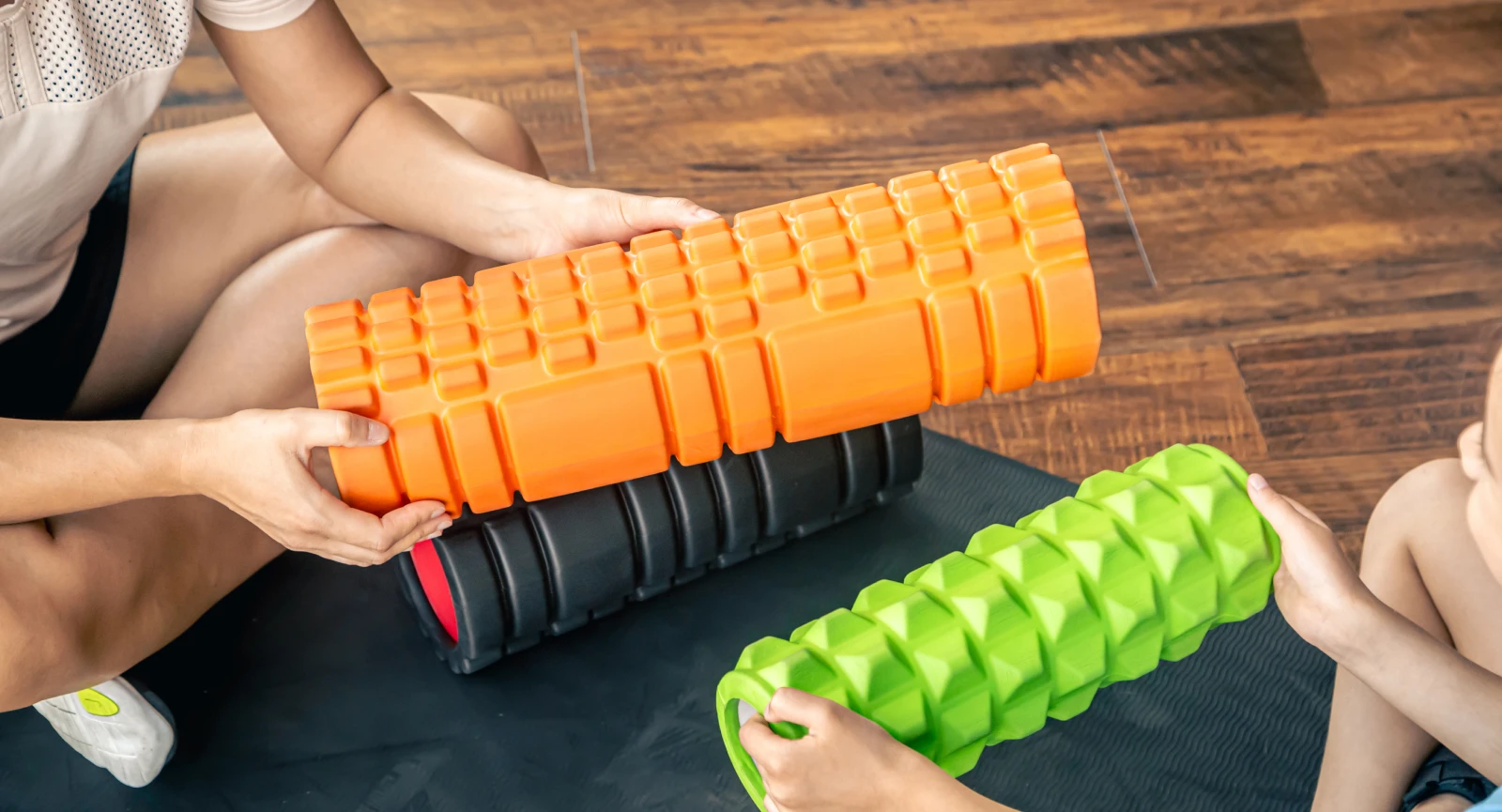
A foam roller is one of the most common recovery tools for athletes. It can be used for self-massage and mobility work, particularly after demanding training sessions. Slowly rolling over areas such as the legs, back, and glutes can help you identify areas of tightness and incorporate gentle movement into your recovery routine.
Massage Ball
A massage ball provides more targeted pressure than a foam roller. It can be useful for smaller areas such as the feet, shoulders, glutes, and upper back. Because the ball allows more precise positioning, it can complement broader foam-rolling sessions.
Resistance Bands
Resistance bands are not only useful for strength training. They can also be used for mobility exercises and controlled stretching. Light resistance can help you perform movements that prepare stiff joints and muscles for training or support gentle recovery afterward.
Massage Gun
A massage gun uses rapid pulses of pressure against the muscles. Many athletes use these devices before or after training as part of their recovery routine. Use a comfortable pressure level and avoid applying the device directly over bones, joints, or areas of acute pain.
Stretching Strap
A stretching strap can help you perform controlled mobility exercises when your flexibility is limited. It can be particularly useful for hamstring, hip, shoulder, and lower-leg stretches. The strap provides additional reach without requiring excessive force.
Recovery Mat
A comfortable exercise or recovery mat provides a suitable surface for stretching, mobility exercises, and light recovery sessions. It can make floor-based recovery work more comfortable and encourage you to maintain a consistent routine.
How to Build a Recovery Routine
You do not need to use every recovery tool after every workout. Choose tools based on how your body feels and the type of training you completed. A simple routine might include gentle movement, targeted foam rolling, mobility exercises, and light stretching. Adequate sleep, hydration, nutrition, and rest days are also important parts of recovery.
Recovery Tool Tips
- Start with gentle pressure rather than aggressive treatment.
- Avoid using recovery tools on injured or acutely painful areas.
- Choose tools that address your specific training needs.
- Give your body enough time to recover between demanding sessions.
- Combine recovery tools with proper rest and nutrition.
Conclusion
Recovery tools can be useful additions to a regular training routine, especially when workouts frequently leave you feeling tight or sore. Foam rollers, massage balls, resistance bands, massage guns, and stretching straps each serve different purposes. The goal is not to use as many tools as possible, but to build a simple recovery routine that supports comfortable movement and consistent training.


